
You’re More Influenced Than You Think
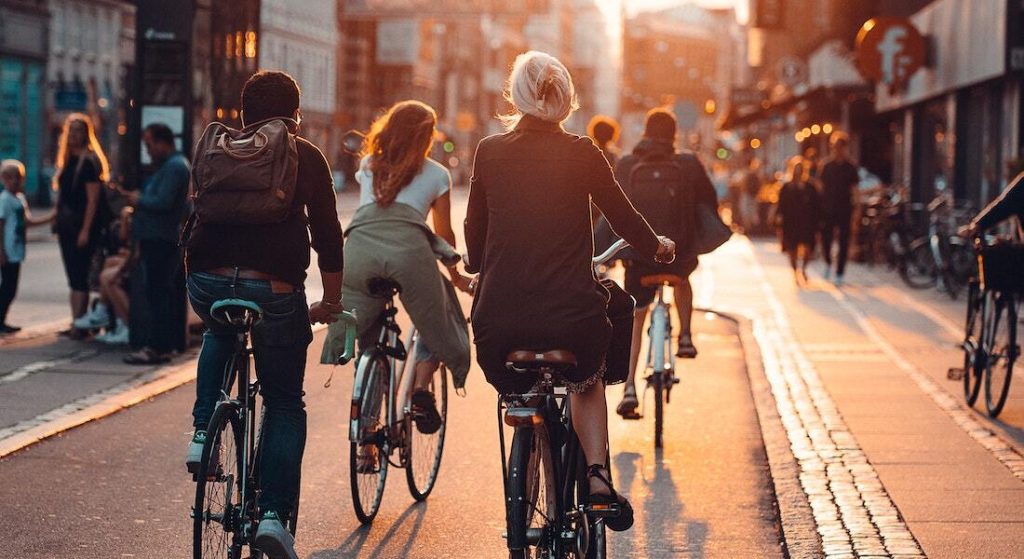
It’s easy to believe that your behaviour comes down to willpower, discipline, or personality. But in reality, your environment plays a much bigger role than most people realise. The spaces you spend time in, the people around you, and even the small details in your surroundings constantly shape your decisions, often without you noticing.
From what you eat, to how productive you are, to how you spend your time, your environment is quietly influencing your behaviour every day.
Behaviour Is Often Automatic, Not Intentional
Most daily actions are not carefully thought through. They’re automatic responses to what’s around you. You reach for your phone because it’s within reach. You snack because food is visible. You get distracted because your environment allows it.
These behaviours don’t require much effort or decision-making. They happen because your surroundings make them easy. This is why relying on willpower alone rarely works because behaviour is often driven by what’s convenient, not what’s intentional.
Your Environment Creates Cues
Your brain is constantly responding to cues in your environment. These cues trigger habits without you needing to think about them. For example, sitting on your bed might make you feel like resting, while sitting at a desk may signal that it’s time to focus.
Over time, your brain starts to associate certain environments with certain behaviours. This is why it can be difficult to work in a space where you usually relax, or to relax in a space where you normally work.
The environment becomes a signal for what you should do.
Convenience Drives Your Choices
One of the most powerful factors in behaviour is convenience. You’re far more likely to do something if it’s easy and accessible. If your phone is next to you, you’ll check it. If snacks are within reach, you’ll eat them. If your workspace is cluttered, it becomes easier to get distracted.
On the other hand, even small barriers can reduce certain behaviours. If something requires more effort, you’re less likely to do it. This is why changing your environment can be more effective than trying to force yourself to behave differently.
Your Environment Can Support or Sabotage You
Your surroundings can either make good habits easier or make them harder. A well-organised workspace can improve focus, while a cluttered one can create distraction. Being around motivated, focused people can encourage similar behaviour, while being around constant distraction can pull you in the opposite direction.
Your environment doesn’t just influence what you do it influences how you feel about what you do. It can either create momentum or resistance.
Small Changes Can Create Big Shifts
You don’t need to completely change your life to change your behaviour. Small adjustments to your environment can have a big impact. Moving your phone out of reach, preparing your workspace in advance, or organising your space can reduce friction and make it easier to follow through on what you want to do.
These changes may seem minor, but they remove the constant need to rely on willpower.
You Become What You’re Exposed To
The people and content you’re regularly exposed to also shape your behaviour. If you’re constantly surrounded by distraction, negativity, or low effort, it becomes easier to adopt those patterns. On the other hand, being around people or content that reflects your goals can influence your mindset and actions in a positive way.
Your environment is not just physical it’s also social and digital.
Designing an Environment That Works for You
Instead of trying to fight your environment, you can design it to support you. This means making the behaviours you want easier and the ones you don’t want harder.
Keep distractions out of sight. Make your workspace simple and functional. Surround yourself with things that reinforce your goals. The goal is not to create a perfect environment, but one that naturally guides your behaviour in the right direction.
Behaviour Follows Environment
One of the most important things to understand is that behaviour often follows environment. You don’t need to rely on constant motivation or discipline if your surroundings are aligned with what you’re trying to do.
When your environment supports your goals, the right actions become easier. And when they become easier, they become consistent.
Change Your Environment, Change Your Behaviour
Lasting change doesn’t always come from trying harder it often comes from changing your surroundings. When you adjust your environment, you reduce resistance and make better choices more automatic.
Because at the end of the day, your behaviour is not just a reflection of who you are. It’s a reflection of where you are.