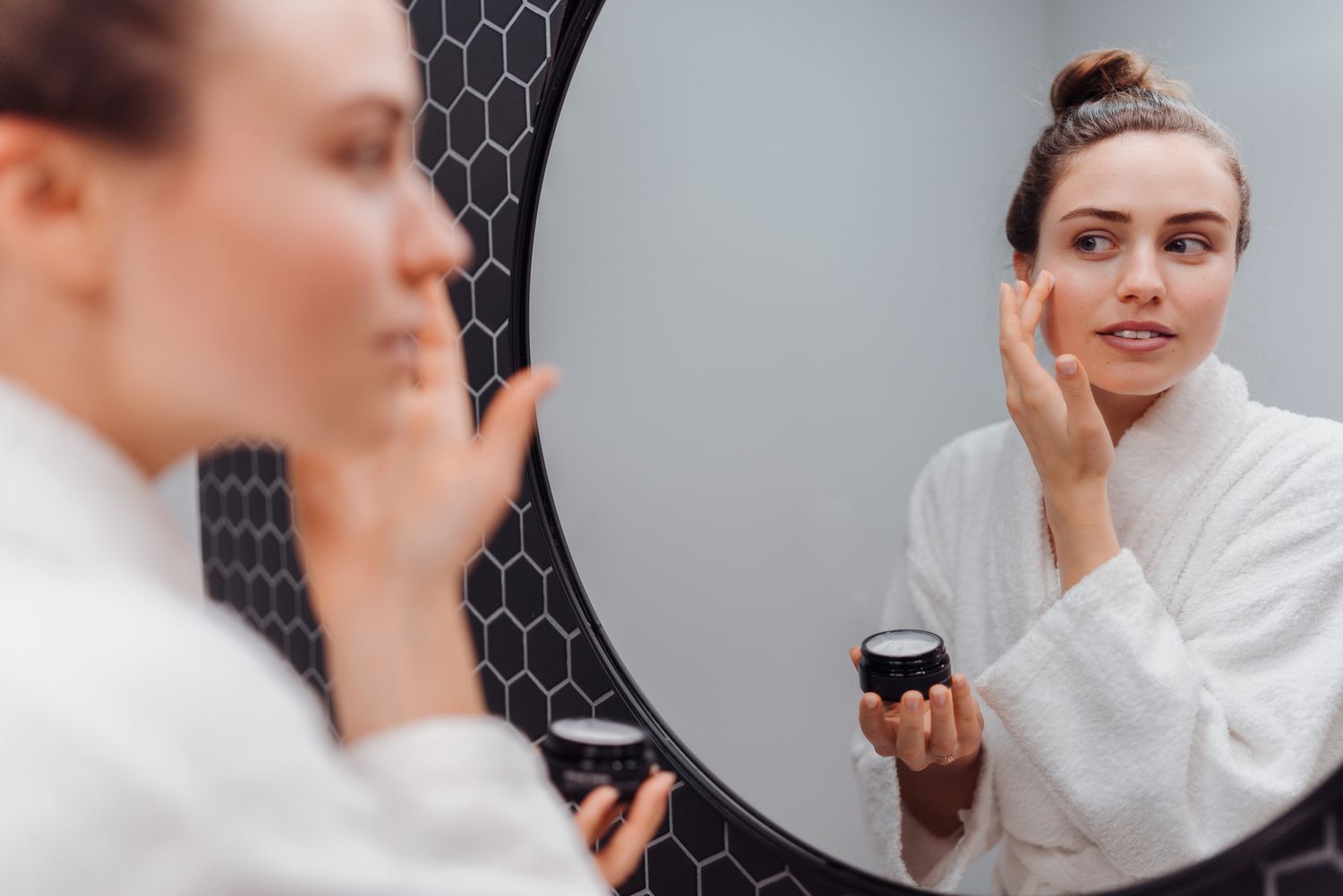


When it comes to skincare or topical medications, the terms ointment, cream, and gel often appear on product labels — and while they might seem interchangeable, they serve very different purposes. The main difference lies in their base ingredients, texture, and how they interact with the skin. Understanding these distinctions can help you choose the right one for your skin type and condition.
Ointments are typically thick, greasy, and made with an oil-based formula. Because of this, they’re excellent for dry or damaged skin, forming a protective layer that helps trap moisture and heal cracks or irritation. Creams, on the other hand, have a balance of oil and water, making them lighter and more easily absorbed. They’re ideal for everyday use and for conditions that need hydration without too much heaviness.
Then there are gels — lightweight, often transparent, and water-based. They absorb quickly and leave little to no residue, which makes them perfect for oily or acne-prone skin. Gels can deliver active ingredients without clogging pores or leaving a sticky finish, which is why they’re common in acne treatments or cooling products.
When Should You Use an Ointment?
Ointments are best used when your skin needs deep, lasting moisture or protection. Because they’re made primarily of oils and fats — like petroleum jelly, lanolin, or mineral oil — they create a thick barrier over the skin that seals in hydration and shields it from environmental irritants. This makes ointments ideal for treating dry, cracked, or damaged skin conditions such as eczema, psoriasis, or severely chapped lips.
You might also use an ointment when applying certain prescription medications. Many medicated ointments are formulated to stay on the skin longer, helping the active ingredient absorb more effectively into the targeted area. For example, antibiotic ointments are often used on cuts or burns to prevent infection while keeping the wound moist to promote healing.
However, because ointments can feel greasy and heavy, they’re generally not recommended for oily or acne-prone skin. If you’re treating areas like your face or scalp, lighter formulations such as creams or gels might be more comfortable. The key is to use ointments sparingly — a small amount goes a long way in providing that essential protective barrier.
When Should You Use a Cream?
Creams are the go-to option for people who want effective hydration without the heaviness of an ointment. They strike a perfect balance between oil and water, which means they moisturize while still allowing the skin to breathe. This makes them ideal for normal to slightly dry skin types, or for conditions that require daily maintenance rather than intense repair.
You should reach for a cream when dealing with mild dryness, irritation, or inflammation. They’re great for daytime use, as they absorb quickly and don’t leave a greasy residue, allowing you to apply makeup or sunscreen afterward. Many over-the-counter treatments for issues like eczema, dermatitis, or allergies come in cream form because they’re soothing yet light enough for frequent application.
Creams also work well for medicated applications, especially when the goal is to cover large areas of skin — such as with anti-fungal, steroid, or hydrocortisone creams. Their ability to spread evenly makes them convenient for use on arms, legs, and the face.
If your skin tends to get dry during the colder months but feels normal otherwise, creams can be your all-season ally — hydrating in winter, yet breathable in summer. They’re versatile, comfortable, and suitable for both cosmetic and medicinal use.
When Should You Use a Gel?
Gels are lightweight, fast-absorbing, and often formulated with a water or alcohol base, making them ideal for situations where you need quick relief without any greasiness. They’re perfect for oily or acne-prone skin types since they don’t clog pores or add excess shine. Because of their refreshing texture, gels are also commonly used in products designed to soothe the skin — think aloe vera gels for sunburns or cooling gels for sore muscles.
You should use a gel when you want something that feels clean and non-sticky. They’re great for morning routines or hot climates because they absorb instantly and leave the skin feeling fresh. Many acne treatments, eye creams, and after-sun products use gel formulations precisely for this reason — they deliver active ingredients effectively without overwhelming the skin barrier.
In medical or cosmetic use, gels can also be beneficial for delivering drugs that need to penetrate quickly, like topical pain relievers or anti-inflammatory treatments. They dry fast, making them a convenient choice when you’re on the go or applying something under clothing.
If you have sensitive or combination skin, a gel can offer hydration without irritation. It’s an excellent middle ground between staying moisturized and keeping your skin feeling light and breathable.
Choosing the Right Formula for Your Skin
Understanding the difference between ointments, creams, and gels can make a world of difference in how you care for your skin. Ointments are rich and deeply moisturizing, best for healing dry or damaged areas. Creams are versatile and balanced, providing daily hydration without heaviness. Gels, on the other hand, are light, cooling, and ideal for oily or sensitive skin.
The right product ultimately depends on your skin type, condition, and comfort preference. Think of it as tailoring your skincare — choosing what your skin needs at that moment rather than sticking to one formula for everything. Whether you’re treating a rash, moisturizing after a shower, or soothing sunburn, understanding these differences helps you get the most out of your skincare routine.
Healthy skin starts with smart choices — and now, you know exactly which one to reach for.