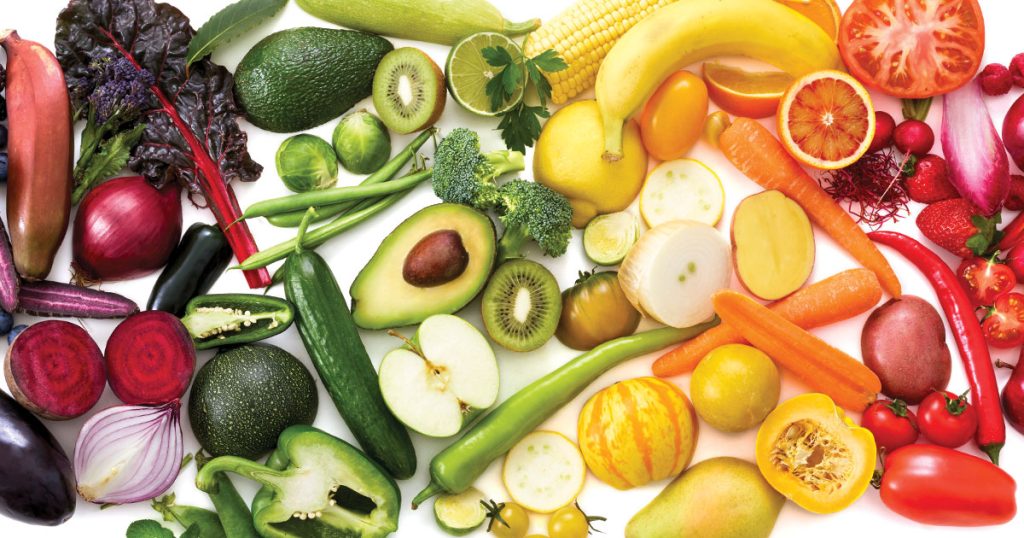

Building a Whole Food Diet That Actually Works
A whole food diet isn’t about restriction — it’s about getting back to basics. In a world filled with processed snacks, sugary drinks, and quick fixes, whole foods bring balance, energy, and nourishment back into your daily routine. Think fruits, vegetables, grains, proteins, and fats in their most natural forms — food that fuels you, not just fills you.
Structuring a whole food diet can feel intimidating at first, but it’s simpler than it seems. It’s not about perfection; it’s about progress. By understanding what whole foods are, how to balance them, and how to plan meals around them, you can create a diet that supports long-term health and still fits your lifestyle.
What Are Whole Foods?
Whole foods are ingredients that are as close to their natural state as possible — unprocessed, unrefined, and free from artificial additives. Think of them as foods that your great-grandparents would recognize: fresh fruits and vegetables, whole grains like oats and quinoa, lean proteins, nuts, seeds, and legumes. These foods are packed with nutrients, fiber, and antioxidants that help your body function at its best.
Unlike processed foods, which often lose essential nutrients during manufacturing and gain added sugars, unhealthy fats, or preservatives, whole foods provide clean, sustained energy. They keep your blood sugar stable, your digestion smooth, and your immune system strong.
The key to a successful whole food diet isn’t about strict rules — it’s about choosing foods that come from the earth, not a factory. When your plate is filled with color, texture, and freshness, your body and mind both notice the difference.
How to Build a Balanced Whole Food Plate
Creating a balanced whole food plate is all about variety, proportion, and color. Each meal should include a mix of macronutrients — carbohydrates, proteins, and fats — along with plenty of vitamins and minerals from fruits and vegetables. The easiest way to structure it is to visualize your plate: half filled with vegetables and fruits, a quarter with lean protein, and the remaining quarter with whole grains or starchy vegetables.
Start with vegetables as the base of your meal — leafy greens, peppers, broccoli, or carrots. Add a source of protein like grilled chicken, tofu, beans, or lentils, and pair it with complex carbohydrates such as brown rice, quinoa, or sweet potatoes. Don’t forget healthy fats, like avocado, olive oil, nuts, or seeds; these support hormone balance and nutrient absorption.
The goal isn’t to restrict but to nourish. When you focus on balance and whole ingredients, your meals will naturally be more satisfying and nutrient-dense — helping you feel fuller, longer, and more energized throughout the day.
Tips for Transitioning to a Whole Food Diet
Switching to a whole food diet doesn’t have to happen overnight — in fact, gradual change is often more sustainable. Start by replacing one processed meal or snack a day with something fresh and whole. Swap breakfast cereal for overnight oats with fruit, or replace a packaged snack with nuts and an apple. These small steps quickly add up to big results.
Another key tip is to shop the perimeter of the grocery store, where the fresh produce, meats, and dairy are usually found. The inner aisles tend to contain more processed and packaged foods. When you do buy packaged items, read the ingredient list — if it has more than five ingredients or ones you can’t pronounce, it’s probably not a whole food.
Cooking more at home is one of the most effective ways to eat whole. You have full control over ingredients, portion sizes, and seasoning. And remember: perfection isn’t the goal. If 80% of your meals are made up of whole foods, your body will already thank you for it.
How to Plan Whole Food Meals for the Week
Meal planning is the secret weapon of anyone who wants to stick to a whole food diet. It takes a little effort upfront but saves you time, money, and stress throughout the week. Begin by setting aside an hour or two each weekend to plan your meals and prep key ingredients. Think about your schedule — which days will you have time to cook, and which nights might call for something pre-prepared?
Start by choosing a few core recipes that share similar ingredients to reduce waste. For example, if you buy a bag of spinach, you can use it in a breakfast smoothie, a lunch salad, and a dinner stir-fry. Cook grains like brown rice or quinoa in bulk, roast a tray of mixed vegetables, and pre-portion proteins such as chicken, chickpeas, or tofu. Store them in airtight containers so you can mix and match throughout the week.
Meal planning isn’t about restriction; it’s about making healthy choices convenient. When you open your fridge and see ready-to-go, nutrient-dense options, you’re far less likely to reach for processed foods. Over time, this habit builds consistency — and consistency is what leads to long-term success.
Common Mistakes to Avoid on a Whole Food Diet
Even with the best intentions, it’s easy to make a few missteps when transitioning to a whole food diet. One of the biggest mistakes is overcomplicating things. Many people assume that eating whole foods means preparing elaborate meals from scratch every day, but simplicity is key. A bowl of oatmeal with fruit or a simple stir-fry with veggies, rice, and tofu are perfectly balanced and nourishing.
Another common pitfall is neglecting variety. Even healthy foods can become problematic if your diet lacks diversity. Relying on the same ingredients can lead to nutrient gaps — for example, always eating chicken for protein instead of rotating in beans, eggs, or fish. Aim to eat the rainbow, incorporating different colors, textures, and flavors each week to ensure a full spectrum of nutrients.
Finally, don’t fall into the “health halo” trap — assuming all foods labeled “natural” or “organic” are healthy. Processed foods can still be marketed with those labels. Always read ingredients and focus on what’s real and minimally processed. Whole food eating isn’t about perfection — it’s about consistency, mindfulness, and long-term balance.
Nourish Your Body the Way Nature Intended
Structuring a whole food diet is about more than just cutting out processed foods — it’s about reconnecting with what your body truly needs. By focusing on simple, natural ingredients, planning ahead, and embracing variety, you’re not just improving your diet; you’re transforming your overall well-being. Remember, small, consistent steps are far more powerful than drastic changes that don’t last.
Whole food eating isn’t a quick fix — it’s a lifestyle built on balance, awareness, and nourishment. The beauty of it lies in its simplicity: real food, real flavor, real results. Start where you are, use what you have, and build your way toward a healthier, more vibrant you.