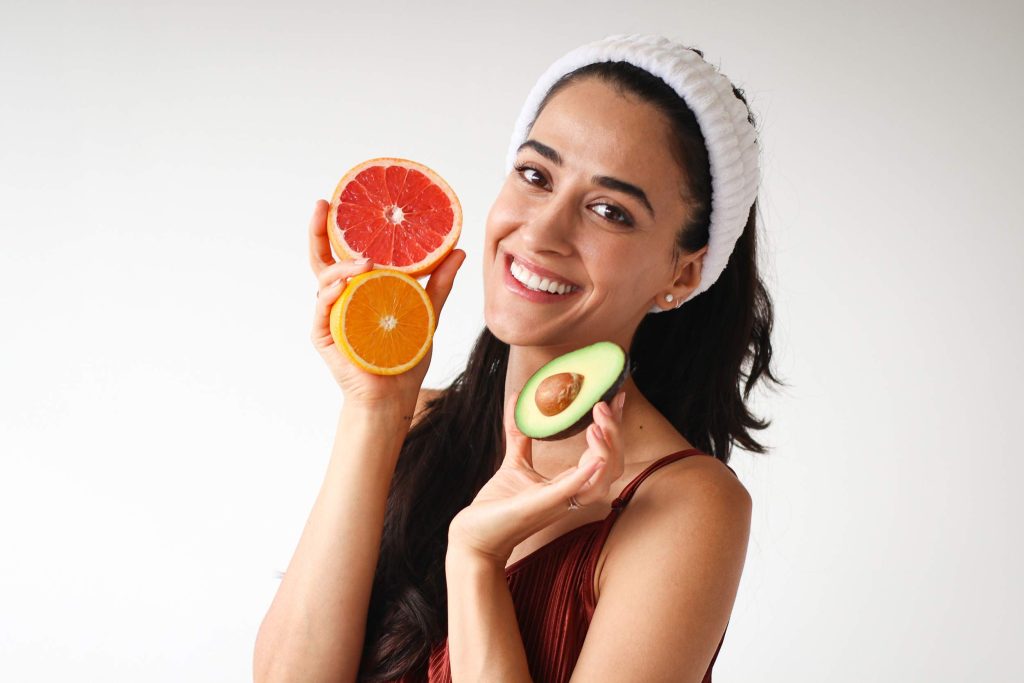

Your skin is constantly renewing itself. In fact, you shed millions of skin cells every day without noticing. Skin cell regeneration is the process that replaces old, damaged cells with new ones, keeping your complexion smooth, resilient, and healthy-looking. While skincare products can support this process from the outside, what you eat plays a far bigger role than most people realise. Your diet supplies the raw materials your body needs to repair, rebuild, and regenerate skin cells from within.
What Is Skin Cell Regeneration?
Skin cell regeneration refers to the natural cycle where new skin cells are created in the deeper layers of the skin and gradually move to the surface. Once they reach the outer layer, they eventually shed, making room for newer cells underneath. In younger skin, this cycle happens relatively quickly, but as we age, regeneration slows down. Poor nutrition, stress, and inflammation can further disrupt this process, leading to dullness, uneven texture, breakouts, and premature ageing.
Why Nutrition Matters for Skin Renewal
Your skin is an organ, and like all organs, it depends on nutrients to function properly. Every time your body produces new skin cells, it needs amino acids to build proteins, fatty acids to strengthen the skin barrier, vitamins to regulate cell turnover, and minerals to support healing. If your diet lacks these essentials, skin regeneration becomes slower and less efficient, which often shows up as dryness, irritation, or persistent skin concerns.
Protein and Amino Acids
Protein is essential for skin cell regeneration because it provides amino acids that form collagen and elastin. These proteins give skin its structure, strength, and elasticity. Without enough protein in your diet, your body struggles to repair damaged tissue and produce new skin cells effectively. Over time, this can contribute to sagging, slower wound healing, and a weakened skin barrier.
Healthy Fats and the Skin Barrier
Healthy fats play a critical role in skin renewal by supporting the lipid barrier that keeps moisture in and irritants out. Omega-3 fatty acids, in particular, help reduce inflammation and support the flexibility of skin cell membranes. When your diet lacks healthy fats, skin cells can become fragile and less able to retain moisture, making regeneration less efficient and increasing sensitivity.
Vitamins That Support Skin Cell Turnover
Certain vitamins are directly involved in the skin regeneration process. Vitamin A helps regulate how skin cells grow and shed, preventing buildup and congestion. Vitamin C supports collagen production and protects new skin cells from oxidative stress. Vitamin E works alongside vitamin C to protect cell membranes and promote healing. When these vitamins are deficient, skin turnover can become irregular, leading to dullness, uneven tone, or breakouts.
Minerals That Aid Repair and Healing
Zinc and selenium are two minerals that are especially important for skin regeneration. Zinc supports cell division and wound healing, while selenium helps protect skin cells from damage caused by free radicals. Inadequate mineral intake can slow regeneration and impair the skin’s ability to recover from inflammation or injury.
Blood Sugar, Inflammation, and Skin Regeneration
What you eat also affects skin regeneration through blood sugar balance. Diets high in refined sugar and processed carbohydrates can cause blood sugar spikes that trigger inflammation. Chronic inflammation interferes with the skin’s natural repair processes and can damage collagen, making regeneration slower and less effective. Over time, this can accelerate visible ageing and worsen conditions like acne or eczema.
Hydration and Nutrient Delivery to the Skin
Water doesn’t directly regenerate skin cells, but it plays a key role in transporting nutrients to them. Proper hydration ensures that vitamins, minerals, and amino acids can reach skin cells efficiently. Dehydration can slow this delivery system, leaving skin looking dull and making the regeneration process less effective.
How Long Does Diet Take to Affect Skin Regeneration?
Skin cell turnover typically takes about four to six weeks, which means dietary changes won’t show results overnight. However, consistently nourishing your body with the right nutrients can improve regeneration over time. Many people notice brighter, smoother skin within a month of improving their diet, with continued improvements as healthy habits are maintained.
Supporting Skin Regeneration Through Diet
A diet that supports skin cell regeneration focuses on whole, nutrient-dense foods that provide protein, healthy fats, vitamins, and minerals. When your body has the tools it needs, skin renewal becomes more efficient, leading to stronger, clearer, and more resilient skin. While topical products can enhance results, long-term skin health is built from the inside out.
Feeding Your Skin From Within
Skin regeneration is not just a surface-level process. It depends heavily on what you eat every day. By prioritising balanced nutrition and reducing inflammatory foods, you give your skin the resources it needs to renew itself naturally. Over time, this internal support shows on the outside, creating healthier skin that reflects overall well-being.