
Why Protein Is Essential for Healthy Skin
Your skin is constantly renewing itself. Every day, skin cells are repaired, replaced, and rebuilt to maintain the skin barrier that protects your body. For this process to work efficiently, the body needs adequate nutrients and protein is one of the most important.
Protein provides the building blocks known as amino acids, which are required to repair damaged skin tissue, produce collagen, and support new cell growth. When protein intake is too low, the body struggles to carry out these processes effectively. As a result, skin repair slows down, wounds may take longer to heal, and the skin can appear dull, fragile, or irritated.
Understanding how protein supports skin repair can highlight why balanced nutrition is so important for maintaining healthy, resilient skin.
Protein Supports Collagen Production
Collagen is the main structural protein found in the skin. It helps maintain skin strength, elasticity, and firmness. When skin is damaged whether from a small cut, irritation, acne, or environmental stress collagen plays a major role in repairing the affected area.
A low protein intake limits the amino acids available for collagen production. Without sufficient building materials, the body cannot efficiently rebuild the skin’s structural framework. This can lead to slower healing and reduced skin resilience over time.
Slower Cell Regeneration
Skin cells are continuously replaced through a process called cell turnover. This process ensures that damaged or dead cells are replaced with new ones.
Protein is required for the formation of new cells. When intake is inadequate, the body prioritizes protein use for critical organs and functions, leaving less available for skin regeneration. This can slow down the skin’s natural renewal cycle and delay recovery from irritation, breakouts, or minor injuries.
Weakened Skin Barrier
The outermost layer of the skin acts as a protective barrier that prevents moisture loss and protects against bacteria, pollutants, and environmental damage. Proteins such as keratin help maintain this protective structure.
If protein intake is insufficient, the integrity of the skin barrier can weaken. This may result in dryness, increased sensitivity, and slower recovery when the skin becomes damaged or inflamed.
Increased Inflammation and Poor Healing
Adequate protein intake also supports immune function and the body’s inflammatory response. When skin is injured, a controlled inflammatory process begins that allows healing to occur.
Low protein intake may interfere with this response, potentially prolonging inflammation and delaying the repair process. This can be particularly noticeable with wounds, acne lesions, or irritated skin that takes longer than usual to heal.
Signs Your Skin May Need More Protein
When protein intake is consistently too low, the skin may show several noticeable changes. These can include slower healing from cuts or blemishes, increased dryness, fragile or thinning skin, and a dull or tired complexion.
Hair thinning and brittle nails can sometimes appear alongside these changes, as protein is also required for healthy hair and nail growth.
Supporting Skin Repair Through Adequate Protein
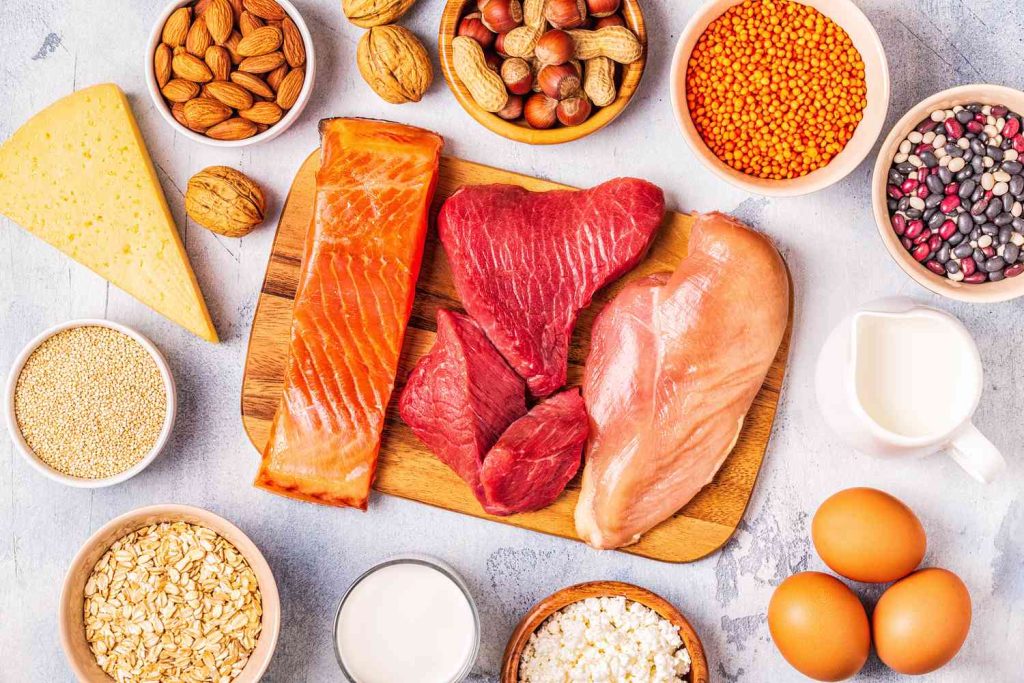
Ensuring that your diet contains sufficient protein can help support healthy skin repair. Good protein sources include eggs, fish, poultry, dairy products, legumes, nuts, seeds, and tofu.
Pairing protein with other skin-supporting nutrients such as vitamin C, zinc, and healthy fats can further support collagen production, wound healing, and overall skin health.
Consistent, balanced nutrition provides the body with the resources it needs to maintain strong and resilient skin.
Nourishing Your Skin From Within
Skin health is often approached through topical treatments, but nutrition plays a foundational role. Protein is essential for collagen production, cell regeneration, and maintaining the skin’s protective barrier.
When protein intake is too low, the body may struggle to repair and maintain skin tissue effectively. By supporting your body with adequate dietary protein and a balanced intake of nutrients, you give your skin the tools it needs to repair, renew, and stay healthy.